Comprehensive Industrial Roof Storm Damage Assessment Strategies
When a major storm rolls through the Tampa Bay area, industrial facility managers and commercial property owners face a race against the clock. Between our frequent summer afternoon thunderstorms and the intense Atlantic hurricane season, commercial properties take a serious beating from high winds, torrential rain, and occasional hail. Failing to identify and address vulnerabilities quickly can lead to catastrophic internal water damage, compromised inventory, and costly operational downtime.
Developing a proactive strategy for post-storm evaluation is no longer optional for businesses in our region; it is an absolute necessity. Protecting a large-scale facility requires more than just a quick glance from the ground. It requires a systematic approach to detecting hidden commercial storm roof damage before minor issues escalate into major financial liabilities. In this guide, we will walk through the essential steps and modern strategies for assessing your commercial property after severe weather strikes, ensuring your business remains secure, compliant, and fully operational.
The Initial Post-Storm Evaluation
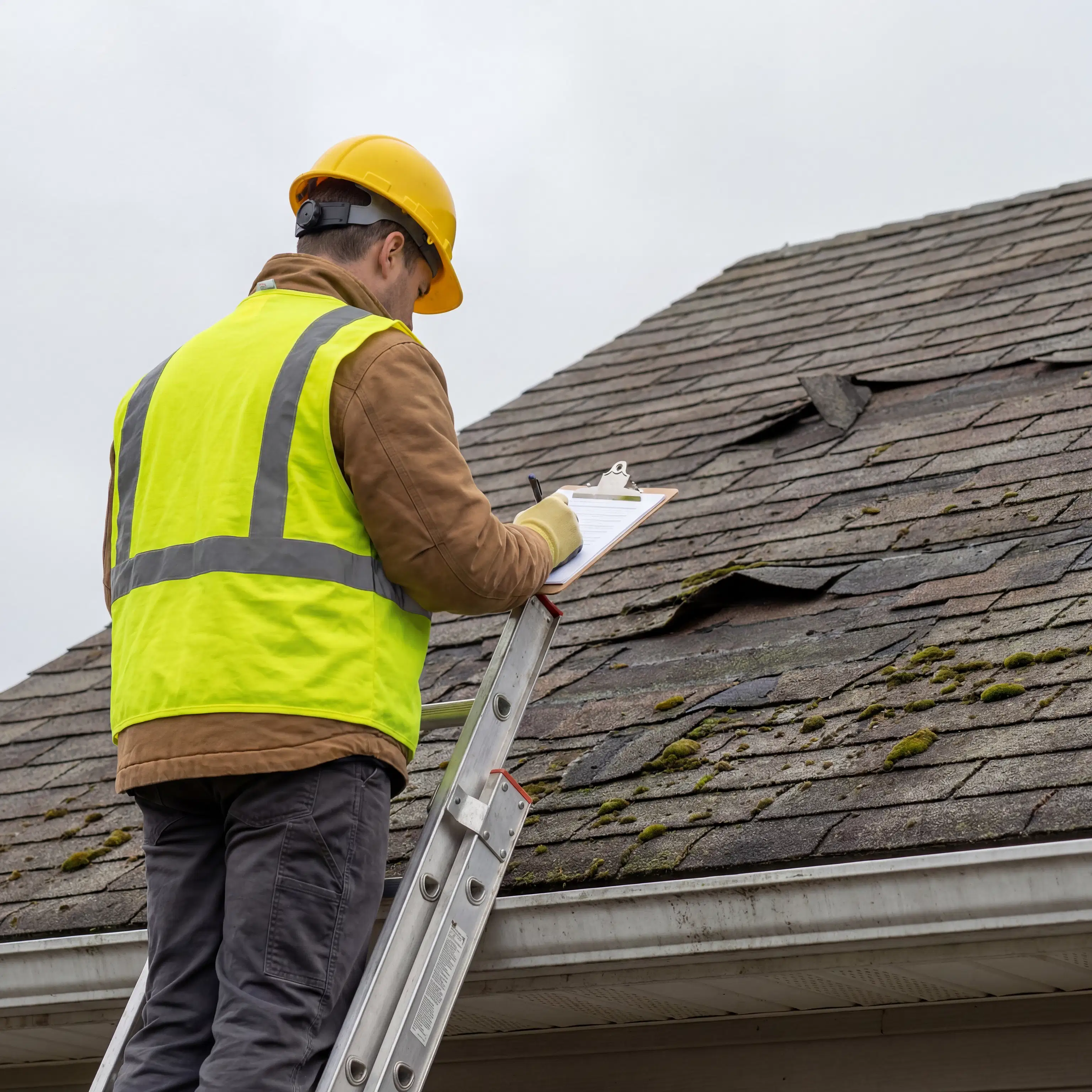
The moment it is safe to return to your facility after a severe weather event, the initial assessment phase begins. However, getting up on a wet, potentially compromised commercial structure is incredibly dangerous and should be left to experienced professionals. Your first step should be documenting any visible interior signs of moisture, such as ceiling stains, pooling water on the warehouse floor, or unusual drafts.
Once interior observations are logged, engaging a qualified contractor for a comprehensive roof inspection is critical. Today's commercial assessments have evolved significantly. To safely and accurately evaluate expansive facilities, professionals now utilize an extensive industrial facility roof inspection checklist combined with cutting-edge technology. Widespread adoption of drone-based technology allows for highly accurate, contactless damage assessments. Specifically, utilizing a thermal drone roof inspection for warehouses can reveal trapped moisture beneath the membrane that is completely invisible to the naked eye. This AI-powered 3D aerial modeling not only speeds up the evaluation process but provides undeniable, high-resolution evidence of structural impacts that might otherwise be missed during a traditional walk-through.
Navigating Insurance Claims and Florida Regulations
One of the most challenging aspects of post-storm recovery is dealing with the financial and regulatory aftermath. Following a major weather event, the market is often flooded with predatory 'storm chasers' who offer quick, cheap fixes but disappear when warranties need to be honored. Partnering with an established, locally licensed professional protects you from these scams and ensures your repairs meet strict Florida Building Code requirements.
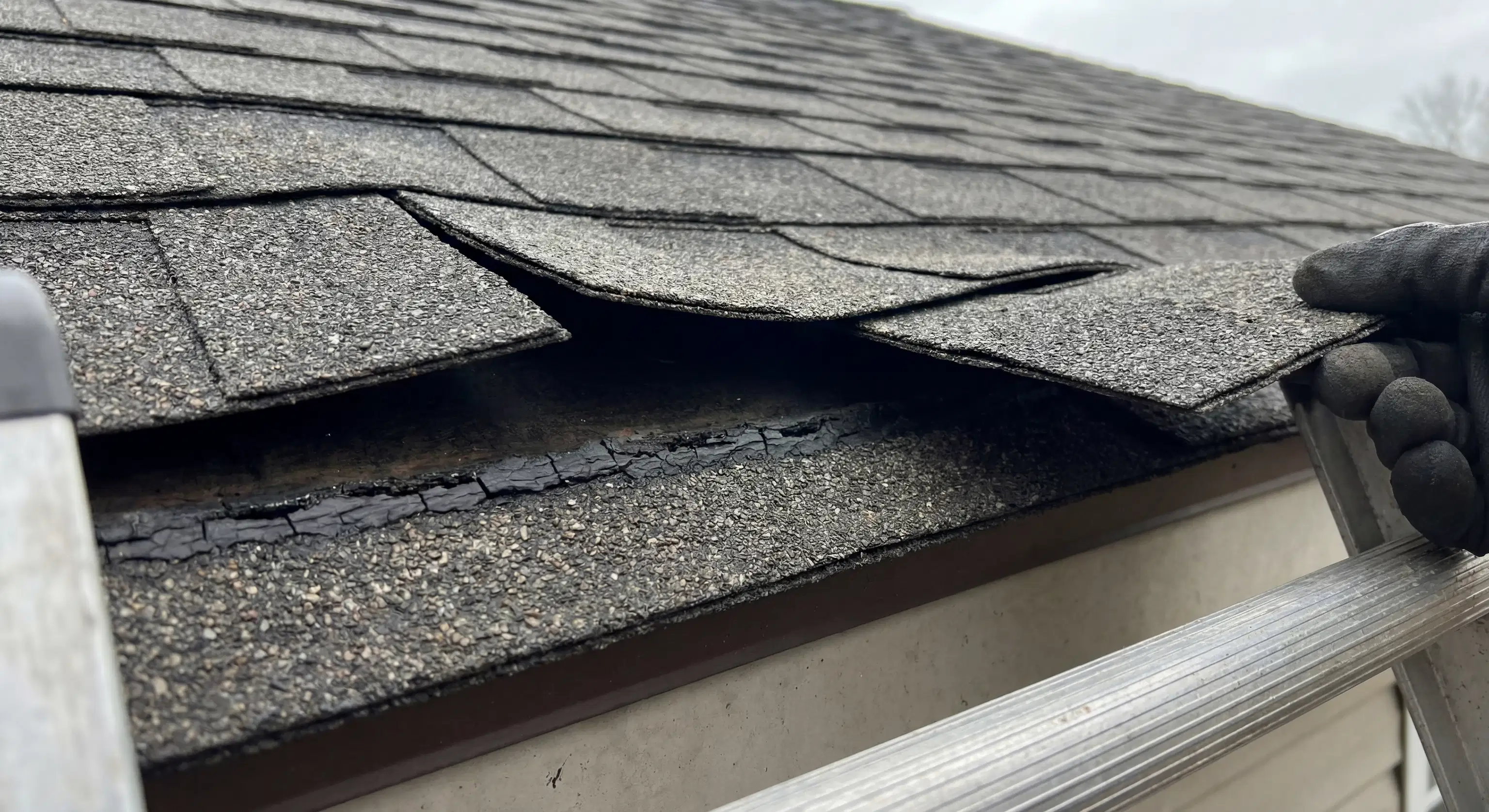
Florida's evolving property insurance reform laws, including regulations like SB 2-D, have made the claims process more stringent. Insurance carriers are increasingly scrutinizing roof age and maintenance history. A thorough, technology-backed assessment provides the exact documentation your insurance adjuster needs. Furthermore, investing in proper storm damage repair can actually help future-proof your facility. Upgrading your system to include enhanced wind mitigation features not only brings your building up to current codes but can significantly lower your rising property insurance premiums by proving your facility's hurricane resistance.
Repair, Replacement, and Future-Proofing
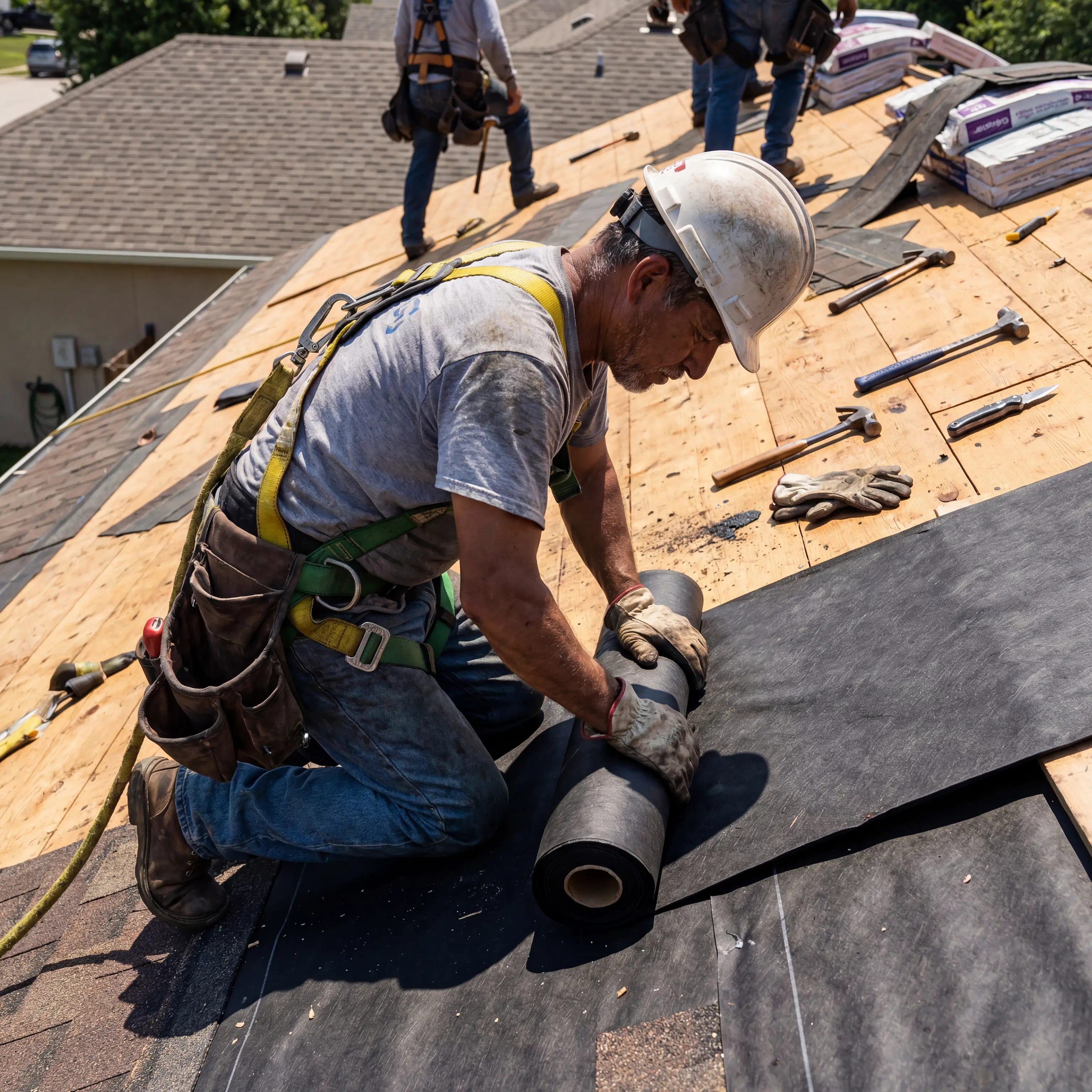
After the assessment data is compiled, facility managers must decide whether to pursue targeted repairs or a complete system overhaul. Signs that you need a full replacement often include widespread membrane blistering, extensive thermal anomalies indicating saturated insulation, or structural decking damage. Minor wind uplift or isolated punctures can typically be addressed with localized patching, provided the overall integrity of the system remains sound.
If your assessment points toward a replacement, this is an excellent opportunity to upgrade your facility's energy efficiency. Industrial properties often suffer from immense cooling costs due to our extreme heat index levels. Upgrading to 'cool roof' technology—such as highly reflective TPO membranes or specialized coatings—can drastically reduce your summer AC bills. When planning these large-scale projects, it is also vital to work with a contractor who understands the complexities of industrial roofing logistics, including managing project schedules around unpredictable afternoon showers and navigating material supply chains to avoid costly delays.
Secure Your Industrial Property Today
Protecting your commercial investment requires diligence, prompt action, and a partnership with professionals who understand both the local climate and complex building regulations. Whether you are dealing with the immediate aftermath of a hurricane or simply want to establish a baseline condition for your warehouse, leveraging modern diagnostic tools is the smartest way to safeguard your operations.
At Harper Roofing, we are dedicated to helping businesses across Lakeland and the broader region maintain safe, watertight facilities. From rapid emergency response to comprehensive preventative maintenance, our team has the expertise to handle your unique commercial needs. If your facility has recently weathered a storm, don't wait for a minor leak to disrupt your business. Contact us today to learn more about our services, including Roof Replacement, Roof Repair, Roof Inspection, Flat Roofing, and Metal Roofing, and let us help you build a more resilient future.