Don't Wait for the Storm: Your Guide to Preparing Your Roof for Hurricane Season
Living in the Tampa Bay area means enjoying beautiful weather for most of the year, but it also means preparing for the annual hurricane season. From June through November, your roof becomes the single most important line of defense for your home, family, and belongings. A small vulnerability can quickly become a major problem in the face of high winds and torrential rain. Proactive preparation isn't just a good idea—it's an essential part of Florida homeownership.
At Harper Roofing, we've seen firsthand how a well-maintained roof can withstand the worst of our weather, while a neglected one can lead to devastating damage. This guide will walk you through the crucial steps for getting your roof ready, from identifying warning signs and performing key maintenance to understanding when it's time to call in a professional. Let's ensure your home is a safe harbor, not a liability, when the next storm rolls in.
The Pre-Season Check-Up: What to Look For From the Ground
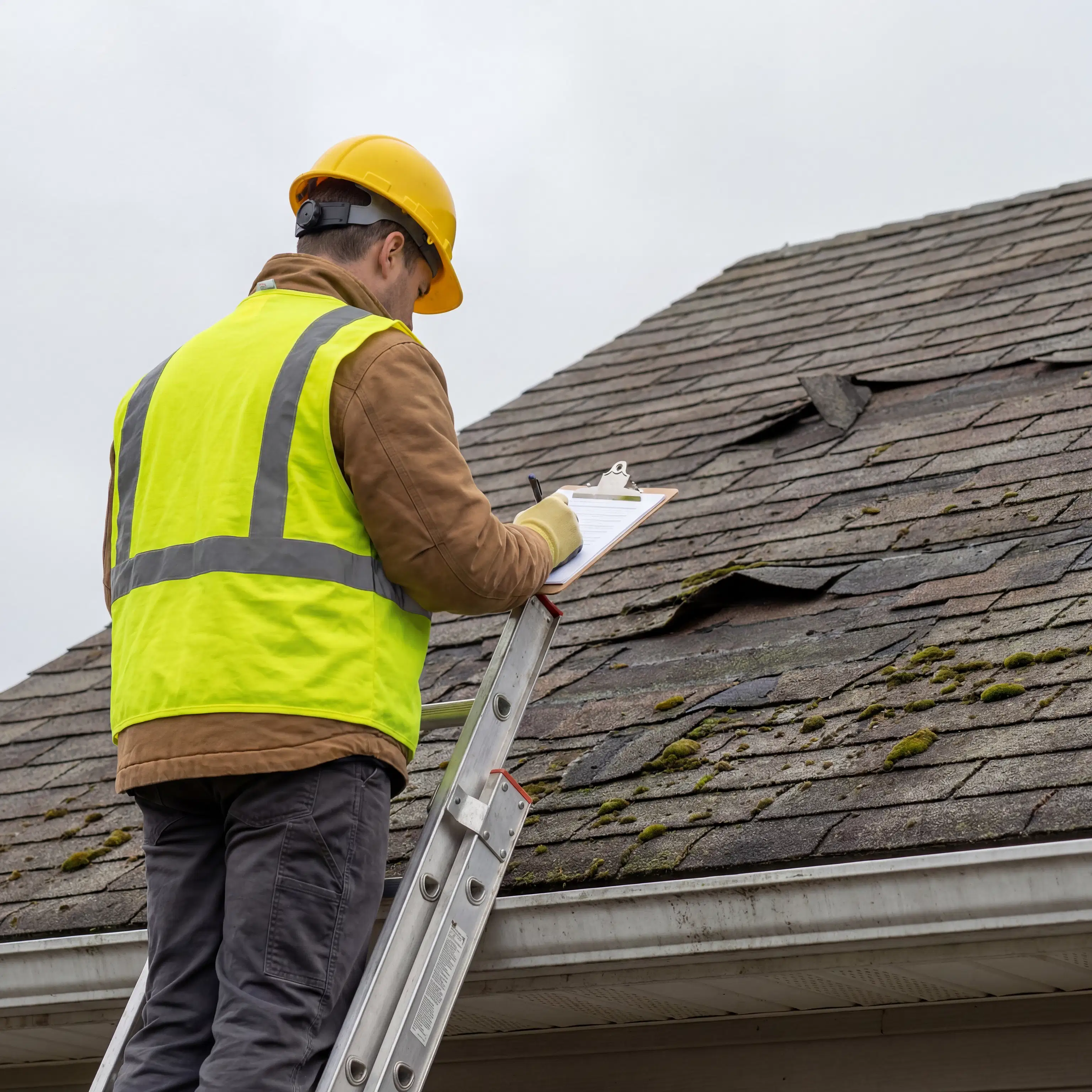
Before hurricane season officially begins, every homeowner should conduct a thorough visual inspection of their roof. You don't need to get on a ladder to spot potential trouble. A walk around your property with a pair of binoculars can reveal many common warning signs that your roof needs attention.
Here’s a simple checklist to follow:
- Shingles and Tiles: Look for any shingles that are cracked, curling at the edges, or missing entirely. For tile roofs, scan for any cracked, slipped, or broken tiles. These are direct entry points for wind and water.
- Flashing: Check the metal strips around chimneys, vents, and skylights. Is the flashing pulled away, rusted, or are the seals around it cracked? Damaged flashing is one of the most common sources of roof leaks.
- Gutters and Downspouts: Are your gutters sagging or filled with debris and shingle granules? Clogged gutters can cause water to back up under the roof's edge, especially during the heavy afternoon showers we get, leading to rot and damage.
- Interior Signs: Inside your home, look for water stains on ceilings or walls, especially in the attic. This is a clear indicator of an existing leak that will only get worse during a storm.
A visual check is a great first step, but it can't replace a professional assessment. A trained expert can identify subtle issues and structural weaknesses that aren't visible from the ground. A comprehensive roof inspection provides the peace of mind that your roof is truly ready for what the season might bring.
Strengthening Your Defenses: Essential Maintenance and Reinforcement
Once you've identified potential issues, the next step is to address them. Proactive maintenance is far less stressful and costly than emergency repairs in the middle of a storm. Taking these steps can significantly improve your roof's ability to handle high winds and driving rain.
Key Maintenance Tasks:
- Secure Loose Components: Have any loose shingles, tiles, or flashing professionally re-secured. Wind can get underneath a single loose shingle and create a chain reaction, peeling back a large section of your roof.
- Trim Overhanging Trees: Dead or overgrown branches hanging over your roof are a major threat. High winds can turn them into projectiles, causing significant impact damage. Keep trees trimmed back from your home.
- Clear Gutters and Drains: Ensure your gutters are completely clear of leaves, pine needles, and other debris. This allows the massive amount of water from a tropical storm to flow away from your home, protecting your roof, foundation, and siding.
Beyond basic maintenance, it's worth exploring wind mitigation features. These are specific building techniques and reinforcements—like adding hurricane straps or upgrading your roof deck attachment—that help your roof better resist wind uplift. Not only do these enhancements make your home safer, but they can also lead to significant discounts on your homeowner's insurance policy.
After the Storm: Assessing Damage and Avoiding Scams
Even with the best preparation, severe storms can still cause damage. Once a storm has safely passed, it's important to assess the situation promptly and correctly.
First, perform another visual inspection from the ground. Look for any of the issues mentioned earlier—missing shingles, damaged flashing, or debris on the roof. Take photos of any damage you see to document it for your insurance claim. If you suspect damage, even if it's not immediately obvious, it's crucial to call for a professional inspection.
Unfortunately, major storms can attract out-of-state "storm chasers" who may perform shoddy work or engage in fraudulent practices. Always choose a licensed, insured, and local roofing company with a long-standing reputation in the community. A local contractor understands Florida's specific building codes and is accountable for their work long after the storm is gone. If you find yourself in this situation, our team is ready to help with expert storm damage repair and guidance through the insurance process.
The Ultimate Defense: A Modern Roof Built for Florida
While maintenance and repairs are vital, there comes a time when the best defense is a full roof replacement. An older roof, especially one that has already weathered multiple storms, may have reached the end of its effective lifespan. A new roof isn't just a repair; it's a complete upgrade to your home's protective shield.
Modern roofing materials are engineered to withstand Florida's extreme climate. Hurricane-rated architectural shingles, standing seam metal roofing, and properly installed tile roofs offer superior resistance to high winds and impact. Furthermore, a new roof installed by a reputable contractor will meet the latest, most stringent Florida building codes, which are specifically designed for hurricane resilience.
Investing in a new roof provides unparalleled peace of mind, enhances your home's value, and can even improve energy efficiency. If your roof is aging or has sustained repeated damage, preparing for hurricane season might mean considering a long-term solution.
Ready to Secure Your Home?
Don't let hurricane season catch you unprepared. Being proactive is the key to protecting your home and family. Whether you need a thorough inspection, preventative roof maintenance, or are considering a full replacement, the experts at Harper Roofing are here to help. We are committed to providing homeowners throughout the Tampa area with durable, reliable roofing solutions built to last.
Contact us today to schedule your pre-season roof inspection and face the weather with confidence.