Eliminating Black Algae Streaks From Your Roof
If you have lived in the Tampa Bay area for any length of time, you are likely familiar with the dark, unsightly stains that seem to mysteriously appear on residential roofs. You might look up one day and notice what looks like soot, dirt, or mold creeping down your shingles. These black streaks on roof shingles are incredibly common in our humid climate, but they are more than just a cosmetic nuisance.
Many homeowners assume their roof is simply showing its age or accumulating dirt from passing storms. However, those dark marks are actually a living organism thriving on your home's exterior. Understanding what these stains are, how they impact your property, and the proper ways to address them is crucial for protecting your investment. In a state where extreme weather and strict insurance regulations are the norm, maintaining a clean and structurally sound roof is a top priority for any homeowner.
What Causes Those Unsightly Black Streaks?
The culprit behind these dark stains is a type of blue-green algae known scientifically as Gloeocapsa magma. While it is technically a bacteria, it behaves like algae and thrives in warm, humid environments. Airborne spores are carried by the wind, eventually landing on your roof. Once there, they find the perfect breeding ground.
But why do they love asphalt shingles so much? Modern asphalt shingles are manufactured with crushed limestone filler to add weight, durability, and weather resistance. Unfortunately, limestone is a primary food source for Gloeocapsa magma. As the algae feeds on the limestone, it grows and spreads across the surface of your roof. The dark color you see is actually a protective outer coating the algae produces to shield itself from the intense Florida sun. As gravity pulls the moisture down your roof, the algae spreads, creating those distinct Algae Streaks that can make even a relatively new roof look old and dilapidated.
Why You Shouldn't Ignore Roof Algae
It is easy to dismiss algae as a purely aesthetic issue, but ignoring it can lead to significant problems down the road. Because the algae is actively consuming the limestone filler in your shingles, it is slowly breaking down the structural integrity of your roofing materials. Over time, this degradation causes the shingles to lose their protective granules.
When shingles lose their granules, they become highly vulnerable to UV damage and thermal shock. This premature aging can cause the shingles to dry out, crack, and curl, ultimately leading to water intrusion. What starts as a simple cleaning issue can quickly escalate into the need for professional roof repair if left unchecked.
Furthermore, the condition of your roof plays a massive role in your homeowners insurance policy. In recent years, Florida insurance carriers have become incredibly strict regarding roof conditions. An inspector who sees heavy algae growth may flag the roof as poorly maintained or nearing the end of its lifespan, which could complicate your coverage or lead to increased premiums. Keeping your roof clean is a proactive way to protect your policy and your peace of mind.
How to Clean Roof Algae Safely
When homeowners decide it is time to tackle the stains, their first instinct is often to grab a pressure washer. This is one of the most damaging things you can do to an asphalt roof. High-pressure water will strip the protective granules right off the shingles, instantly ruining them and voiding any manufacturer warranties you might have.
If you are wondering how to clean roof algae safely, the answer lies in a technique called soft washing. This method uses a low-pressure application of specialized, eco-friendly cleaning solutions—typically a mixture of water, bleach, and a surfactant—to kill the algae at its roots without damaging the roofing materials.
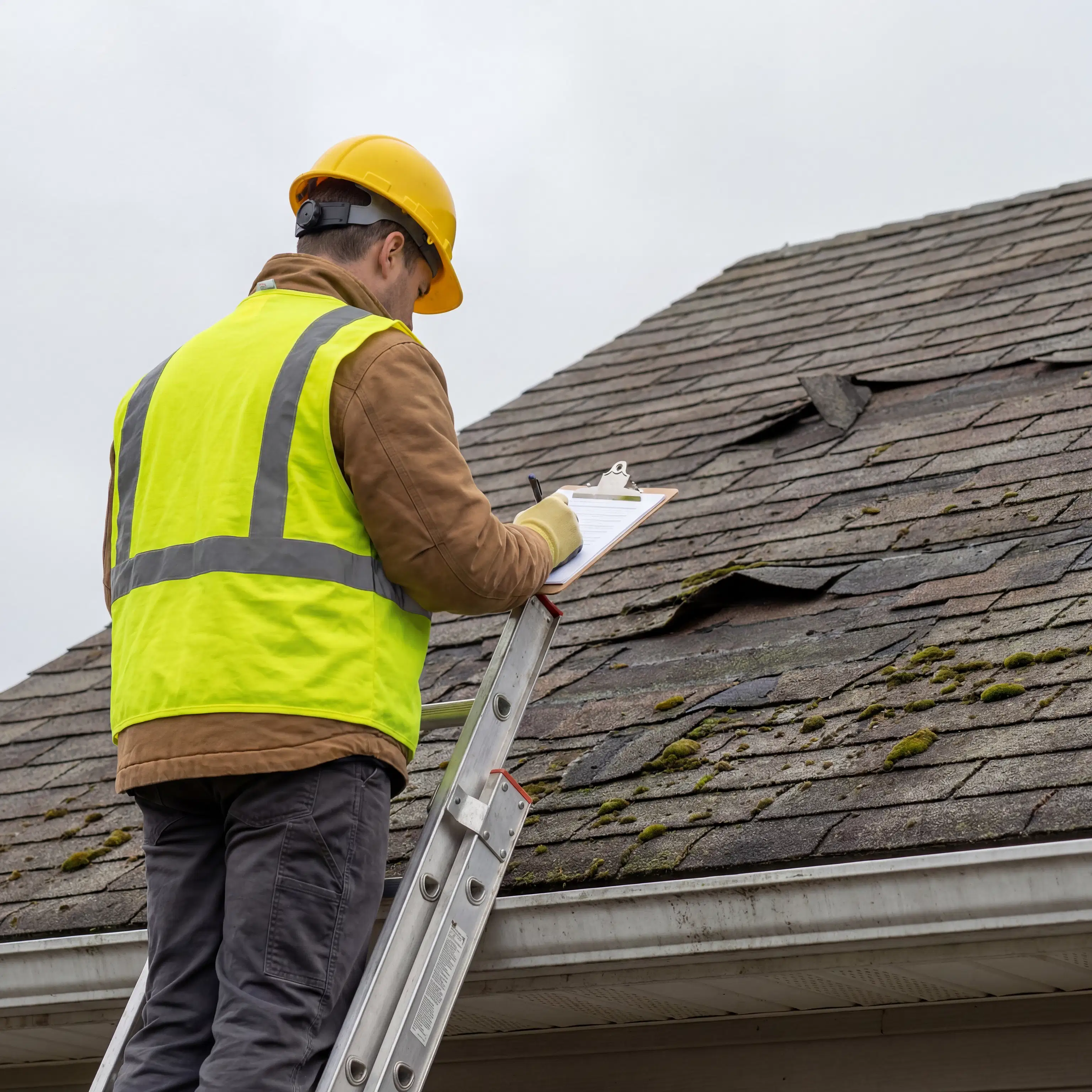
However, getting on a roof is inherently dangerous, especially when the surface is wet and slick with cleaning solutions. For safety and effectiveness, this task is best left to professionals as part of your routine roof maintenance plan. Professional roofers have the proper safety equipment, the right chemical blends, and the expertise to clean the roof without causing collateral damage to your landscaping or home exterior. Many modern roofing companies even utilize drone technology to safely inspect the extent of the algae growth before anyone ever steps foot on the roof.
Preventing Future Growth and Knowing When to Replace
Once your roof is clean, you will likely want to keep it that way. Preventing algae growth on asphalt shingles can be achieved by installing zinc or copper strips near the ridge of the roof. When it rains, trace amounts of these metals wash down the roof, creating a toxic environment for algae spores and preventing them from taking hold. Regular maintenance, such as keeping gutters clean and trimming back overhanging tree branches to allow for proper sunlight and airflow, also goes a long way in keeping your roof dry and algae-free.
If your roof is already older and has suffered extensive damage from years of algae growth and harsh weather, cleaning it might only be a temporary band-aid. In these cases, it is worth exploring the algae resistant roofing shingles benefits that come with a full roof replacement. Modern architectural shingles are often manufactured with copper-infused granules built right into the material. These specialized shingles actively fight off algae growth for a decade or more, ensuring your home maintains its curb appeal while providing superior protection against hurricane-force winds.
Keep Your Roof Looking and Performing Its Best
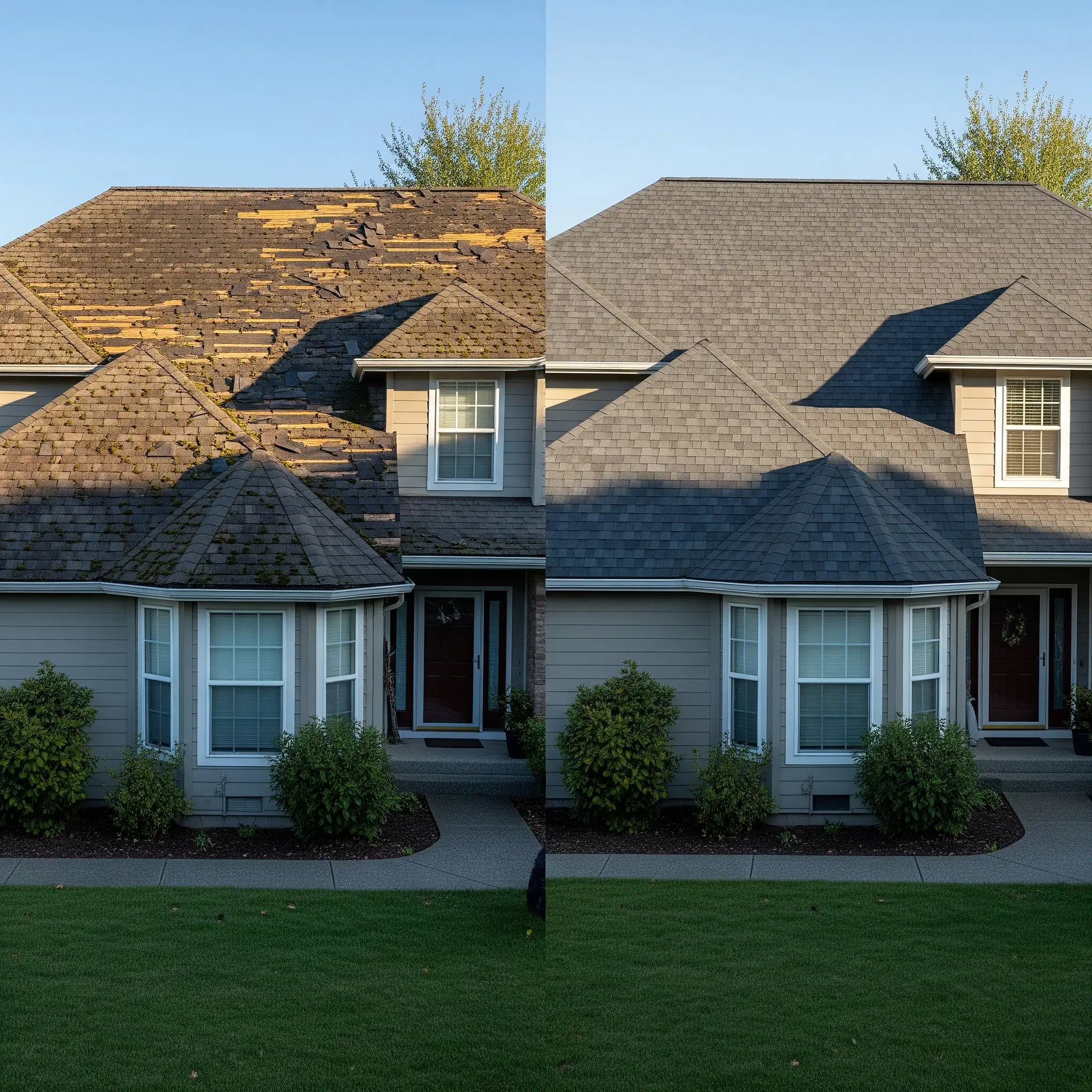
Dealing with algae is simply a part of homeownership in our tropical climate, but it doesn't have to be a permanent fixture on your home. By understanding what causes these stains and taking proactive steps to clean and prevent them, you can extend the life of your shingles, protect your insurance standing, and keep your property looking beautiful.
Whether you need a thorough inspection to assess algae damage, routine maintenance to keep your shingles in top shape, or you are ready to upgrade to a modern, algae-resistant roofing system, our team in Lakeland is here to help. We understand the unique challenges that Florida weather presents and are committed to providing solutions that last. Reach out to us today through our contact us page to schedule an evaluation and take the first step toward a cleaner, stronger roof.