Lowering Florida Insurance Premiums With Wind Mitigation
If you own a home in the Tampa Bay area, you are likely well aware of the unique challenges that come with property insurance in our state. Between the frequent summer afternoon thunderstorms and the looming threat of the Atlantic hurricane season, protecting your property is a year-round priority. However, rising general liability costs and changing state regulations have left many homeowners searching for ways to keep their coverage affordable without sacrificing the safety of their families.
One of the most effective strategies to combat these rising costs is through wind mitigation. By upgrading your home's exterior to meet current structural standards, you not only protect your property from severe weather but can also unlock significant discounts on your homeowners insurance policy. Understanding how these mitigation features work and how they apply to your property is the first step toward securing both your home and your financial peace of mind.
What is Wind Mitigation and Why Does it Matter?
Wind mitigation refers to the specific building techniques and structural features designed to protect your home from damage caused by high winds and hurricanes. In Florida, where severe storms are a regular threat, insurance companies heavily incentivize homes that are built or updated to withstand these extreme conditions.
Recent changes in Florida property insurance laws, including legislation like SB 2-D, have made the age and condition of your roof more critical than ever. Older roofs are often viewed as liabilities by insurance carriers, leading to higher premiums, restricted coverage, or even dropped policies. Insurance providers want to know that your home can stand up to the elements, and they use a standardized wind mitigation inspection to determine your risk level.
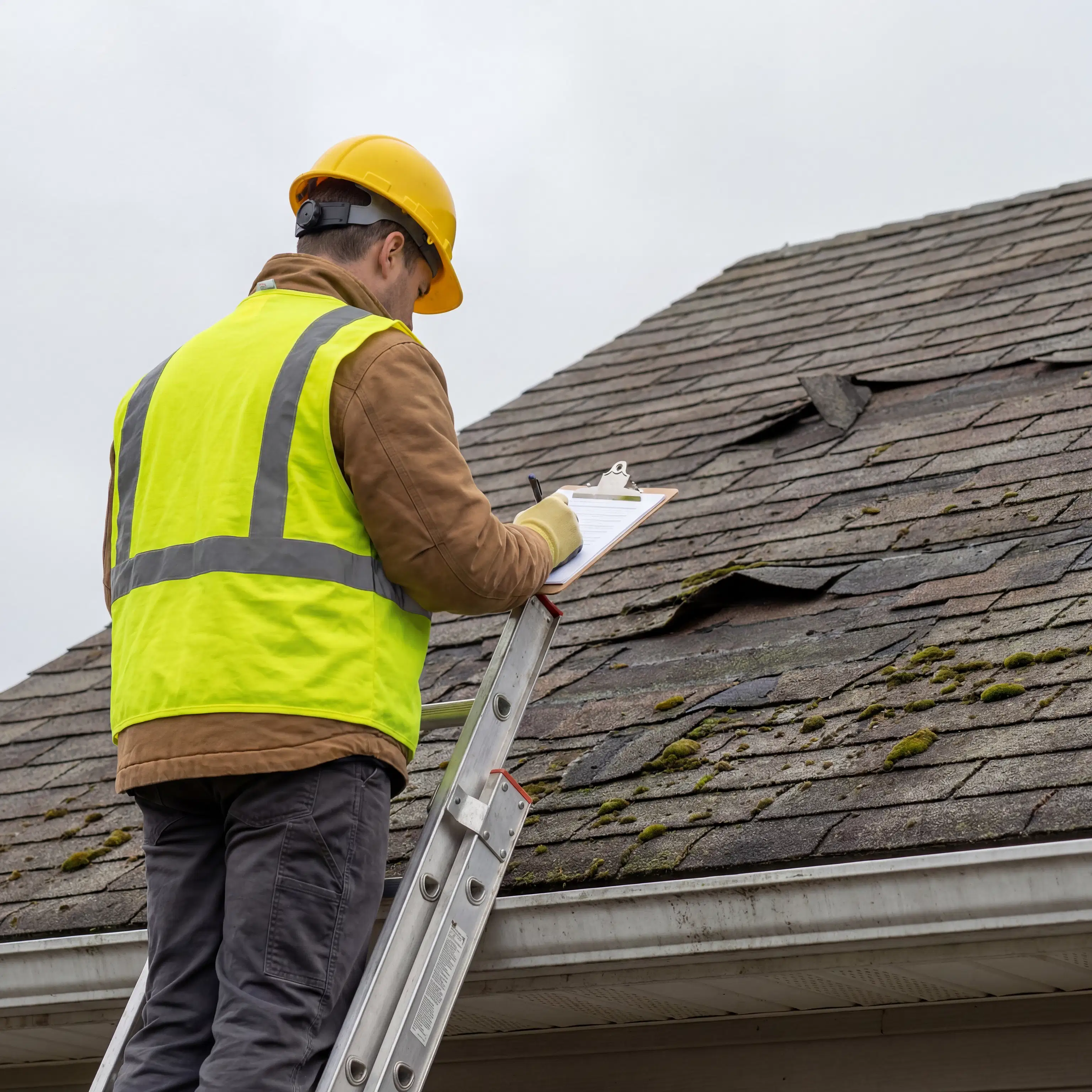
Scheduling a professional roof inspection is the best way to determine where your home currently stands. During this evaluation, a qualified inspector will look for specific features that qualify for insurance discounts. They will examine the age and type of your roof covering, the strength of the roof deck attachment, the geometry of your roof, and how the roof structure is secured to the walls of your home. The more wind-resistant features your home has, the lower your insurance premiums will generally be.
How a Roof Replacement Can Save You Money
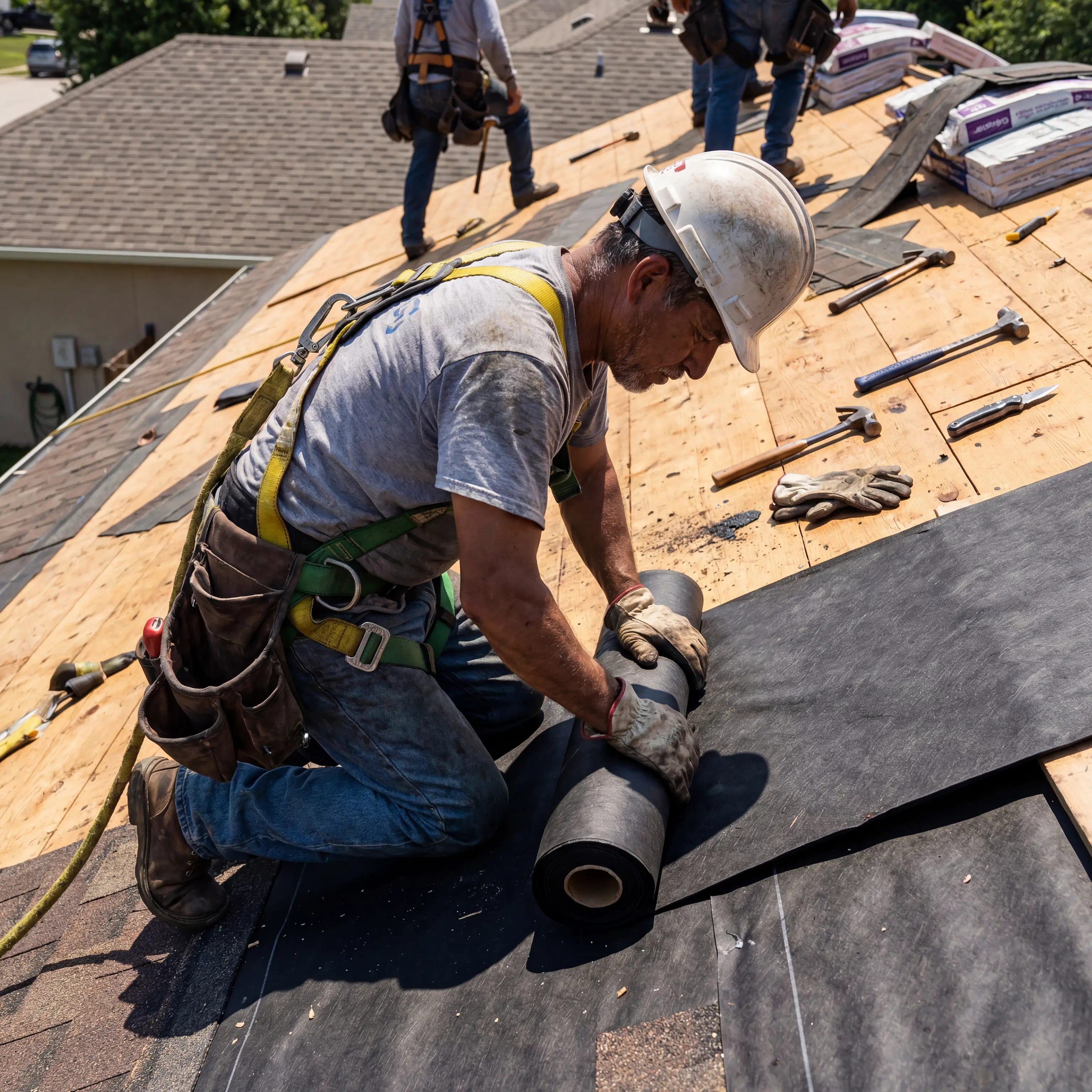
When it comes time for a roof replacement, you have a unique opportunity to build in savings for the future. Modern roofing materials and installation methods are vastly superior to those used even a decade ago, strictly adhering to the latest Florida building code roof compliance standards. For established homeowners looking for long-term value, this is the perfect time to invest in durability.
One of the most impactful upgrades you can make is the installation of a secondary water barrier. This protective layer goes beneath your shingles, metal panels, or Spanish tile and serves as a crucial line of defense if the primary roof covering is blown off during a storm. Insurance companies highly value this feature because it drastically reduces the risk of severe water damage inside the home, which is often the most expensive part of a storm-related claim.
Additionally, upgrading your roof-to-wall attachments can significantly improve your home's wind resistance. These metal connectors tie your roof structure directly to the walls of your house, preventing the roof from lifting off during hurricane-force winds. Whether you live in a historic bungalow in South Tampa or a newer suburban build, ensuring these connections meet current codes is a surefire way to lower your insurance costs. Investing in durable, energy-efficient materials also provides the added benefit of reducing your summer cooling bills, making a new roof a smart financial decision on multiple fronts.
Navigating the Process: From Inspections to Insurance Claims
Understanding how new roofs reduce homeowners insurance can feel overwhelming, especially when dealing with the paperwork and strict requirements of insurance carriers. If your property has recently suffered storm damage, you might be wondering how to handle the repair or replacement process while maximizing your benefits and avoiding predatory contractors.
After a major weather event, the market is often flooded with out-of-town storm chasers who promise quick fixes but lack the proper licensing and local knowledge required to meet strict Florida building codes. Navigating insurance claims requires careful documentation, a clear understanding of your policy, and a trusted local partner. A reputable local roofing contractor will help you identify legitimate storm damage, provide accurate estimates, and supply the necessary documentation to your insurance company. This includes the all-important wind mitigation inspection form, ensuring you get the coverage you are entitled to while updating your home to current safety standards.
We know that a major exterior project is a significant financial investment, and fluctuating material costs can squeeze a family's budget. That is why it is important to work with a team that offers transparent pricing and flexible financing options, helping you bridge the gap between your insurance payout and your deductible so you do not have to delay essential safety upgrades.
Secure Your Home and Your Wallet
Protecting your home from Florida's unpredictable weather should not mean breaking the bank on insurance premiums. By investing in wind mitigation upgrades, utilizing secondary water barriers, and ensuring your property meets the highest safety standards, you can enjoy a safer home and a much more manageable insurance bill.
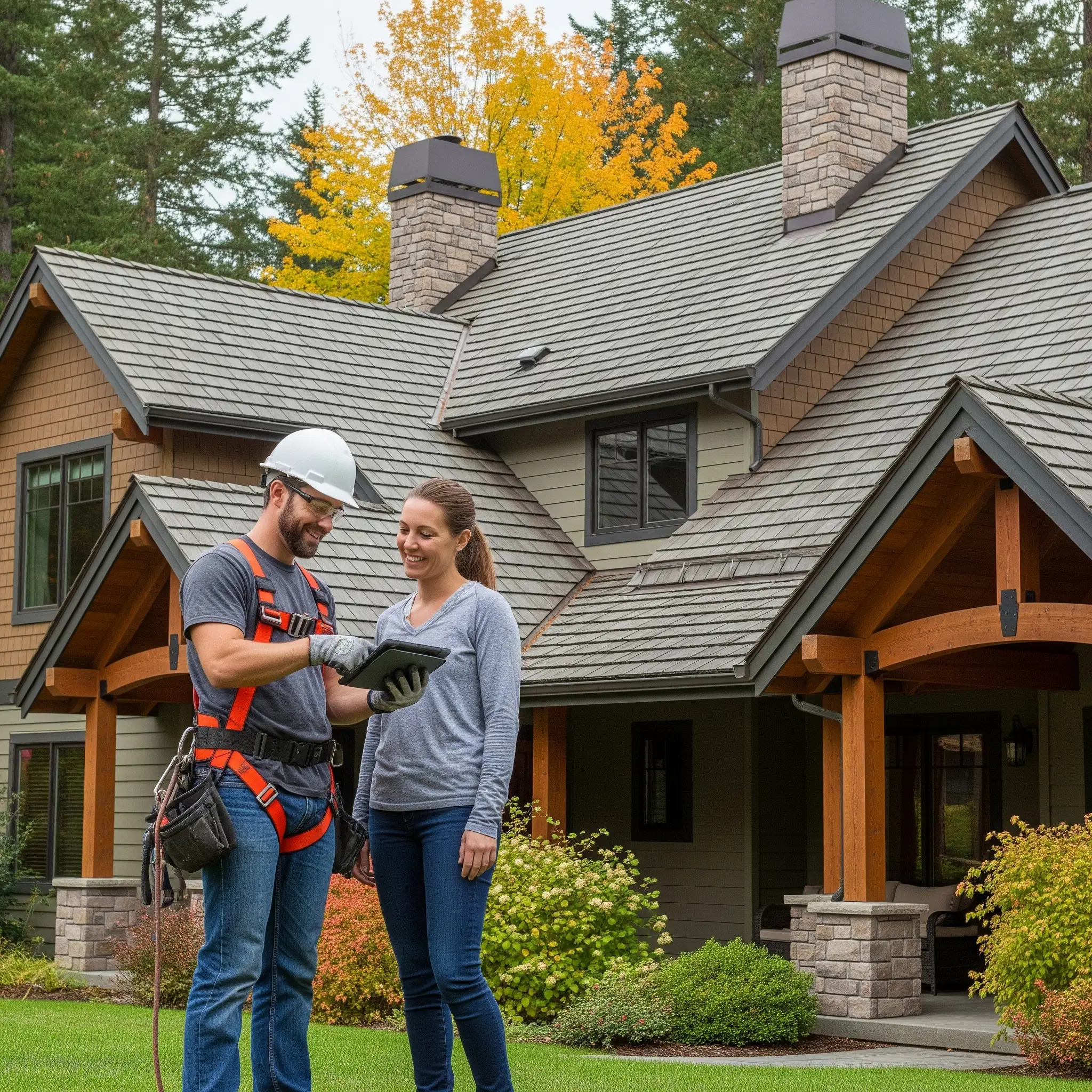
At Harper Roofing, we are dedicated to helping our neighbors navigate these regulatory changes and insurance challenges with confidence. We focus on providing durable, long-lasting solutions that add genuine value to your property. If you are ready to explore how a new, hurricane-resistant roof can benefit your home and lower your premiums, reach out to our experienced team today. Contact us to schedule your comprehensive inspection and take the first step toward long-term protection.