Maintaining Historic Spanish Tile Roofs in Tampa
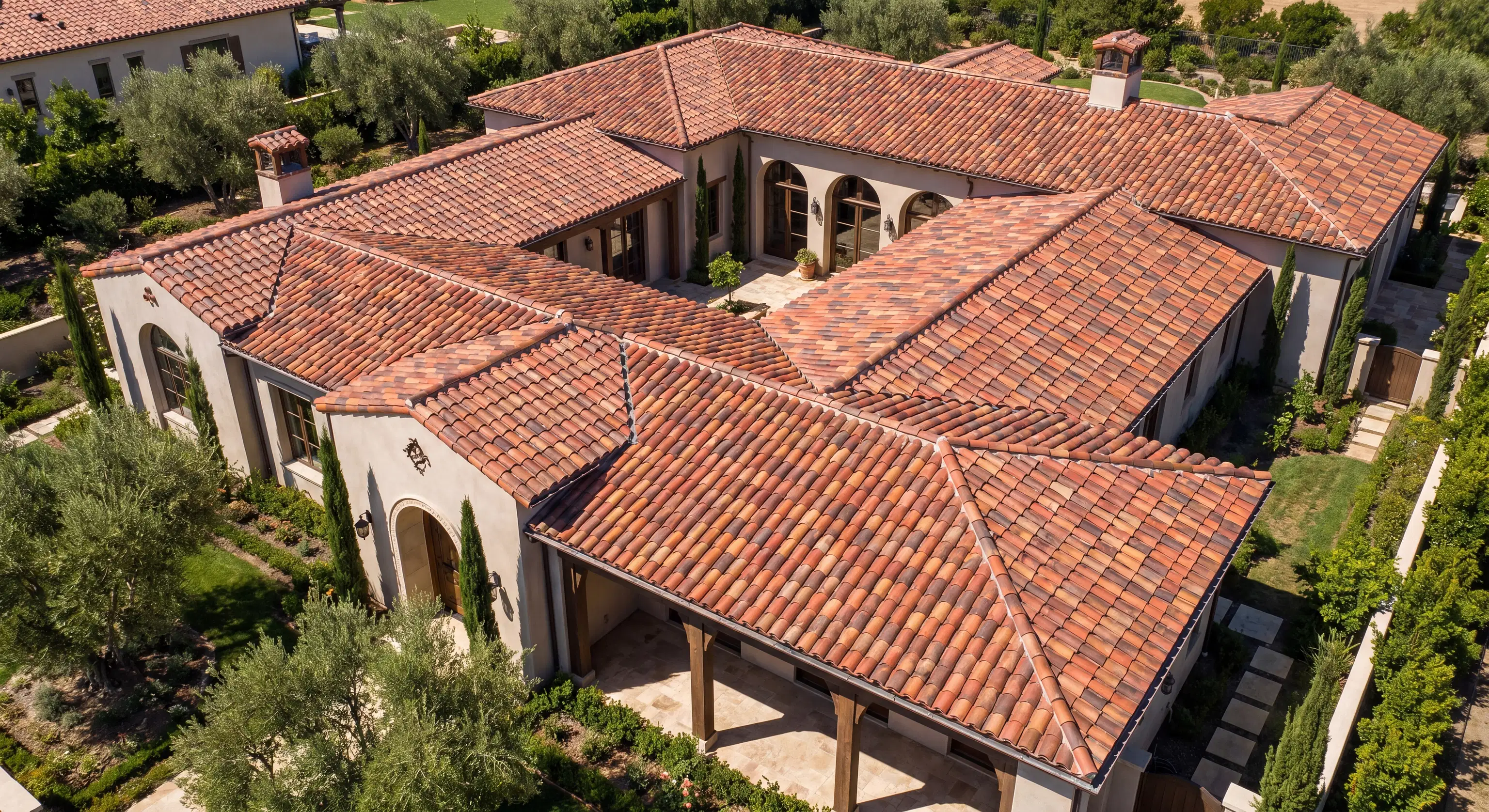
If you own a historic home in our area, you already know that its architectural character is something truly special. Among the most striking features of Mediterranean-revival homes are their iconic Spanish Tile roofs. These beautiful clay and concrete structures do more than just elevate curb appeal; they offer incredible durability against the intense Florida sun and heavy rains. However, preserving that historic charm requires a proactive approach to maintenance, especially when facing our unique coastal weather patterns and strict building regulations. Understanding how to care for these intricate roofing systems is the key to protecting your investment and ensuring your home remains safe and beautiful for generations.
The Unique Charm and Challenges of Spanish Tile
When evaluating a clay tile vs concrete tile comparison, both materials offer exceptional longevity and resistance to high winds. Clay tiles are renowned for their color retention, natural thermal resistance, and traditional aesthetic that perfectly complements historic architecture. Concrete tiles, on the other hand, provide a highly durable and often more budget-friendly alternative that can mimic the look of traditional clay. Regardless of which material crowns your home, both face the same environmental adversaries.
One of the most common issues homeowners notice is the appearance of Algae Streaks. Our intense humidity creates the perfect breeding ground for airborne algae, which manifests as dark, unsightly stains across the roofline. While primarily a cosmetic issue, if left untreated, organic growth can trap moisture and debris. Over time, this trapped moisture can deteriorate the flashing and compromise the underlayment beneath the tiles. Regular, gentle maintenance is required to keep the surface clean without damaging the fragile tiles themselves. It is important to note that the tiles often outlast the waterproofing underlayment beneath them, meaning routine evaluations are critical to catch hidden wear and tear before it turns into a major structural issue.
Detecting Leaks and Assessing Storm Damage
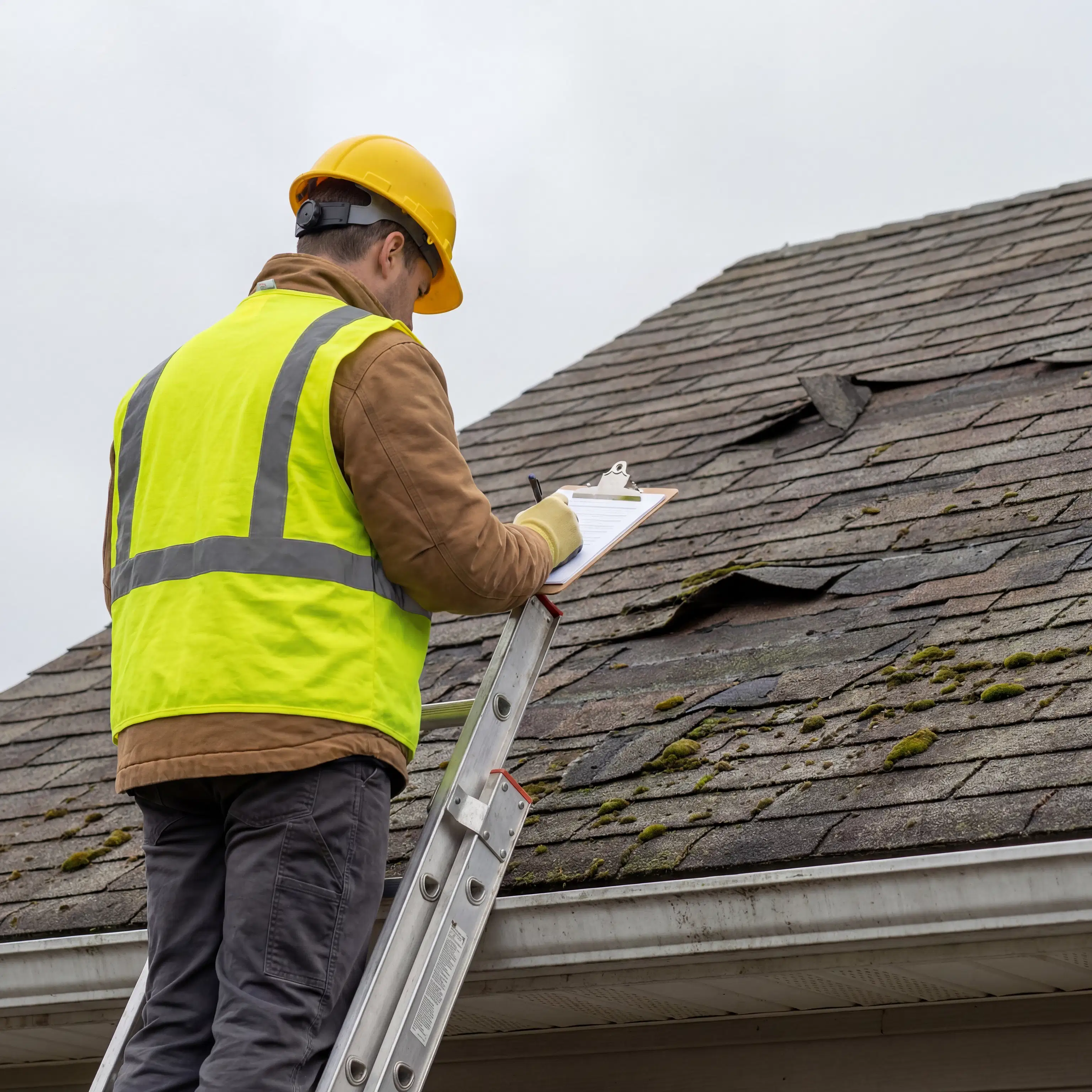
After a severe afternoon thunderstorm or a major weather event, it is crucial to evaluate your property for potential damage. Detecting leaks in tile roofs can be particularly tricky because the water often travels along the underlayment before entering the home. This means the visible water spot on your ceiling might be far away from the actual roof breach.
Signs of storm or hail damage include cracked, shattered, or completely missing tiles. However, walking on a tile roof without proper training can cause even more breakage, turning a minor issue into a costly disaster. This is why scheduling a professional roof inspection is the safest and most effective route. Today, advanced drone-based inspections allow professionals to capture high-resolution, 3D aerial imagery of your roof without ever stepping foot on the fragile tiles. This contactless technology ensures accurate damage assessments and helps determine whether you need a targeted roof repair or if the underlying waterproofing has deteriorated enough to warrant a full roof replacement.
Additionally, relying on established local professionals protects you from predatory storm chasers who often flood the market after major weather events. These unlicensed contractors frequently offer quick fixes that fail to meet local codes, leaving homeowners with voided warranties and subpar workmanship.
Navigating Historic District Roofing Guidelines and Codes
For homeowners in historic districts like Ybor City or the affluent neighborhoods of South Tampa, maintaining a roof isn't just about structural integrity; it is also about preserving historical accuracy. Historic district roofing guidelines often dictate the specific types of materials, colors, and profiles that can be used during a replacement. Working with a contractor who understands these nuances ensures your project moves smoothly through the permitting process without costly delays.
Furthermore, Florida Building Codes are incredibly strict regarding hurricane resistance. When updating an older roof, it is an excellent opportunity to secure a Wind Mitigation inspection. Upgrading your roof deck attachment and installing secondary water barriers not only brings your historic home up to modern safety standards but can also significantly lower your homeowners insurance premiums. Navigating evolving state property insurance laws, such as SB 2-D, can be overwhelming. Insurance companies are increasingly scrutinizing the age and condition of roofs. Working with a licensed, local contractor ensures your project remains compliant, fully protected, and optimized for the best possible insurance outcomes.
Preserve Your Home's Heritage
Your historic roof is a major investment that requires specialized care, deep local knowledge, and a commitment to quality craftsmanship. Whether you are dealing with a sudden leak, preparing for hurricane season, or looking to restore your home's original beauty, you need a team that understands the intricacies of traditional roofing systems and the demands of our local climate.
If you are looking for reliable, expert service in the 813, the team at Harper Roofing is here to help. We specialize in preserving the integrity of your home while upgrading its defense against the elements. Reach out to us today through our contact page to schedule your comprehensive evaluation and keep your historic property protected for decades to come.