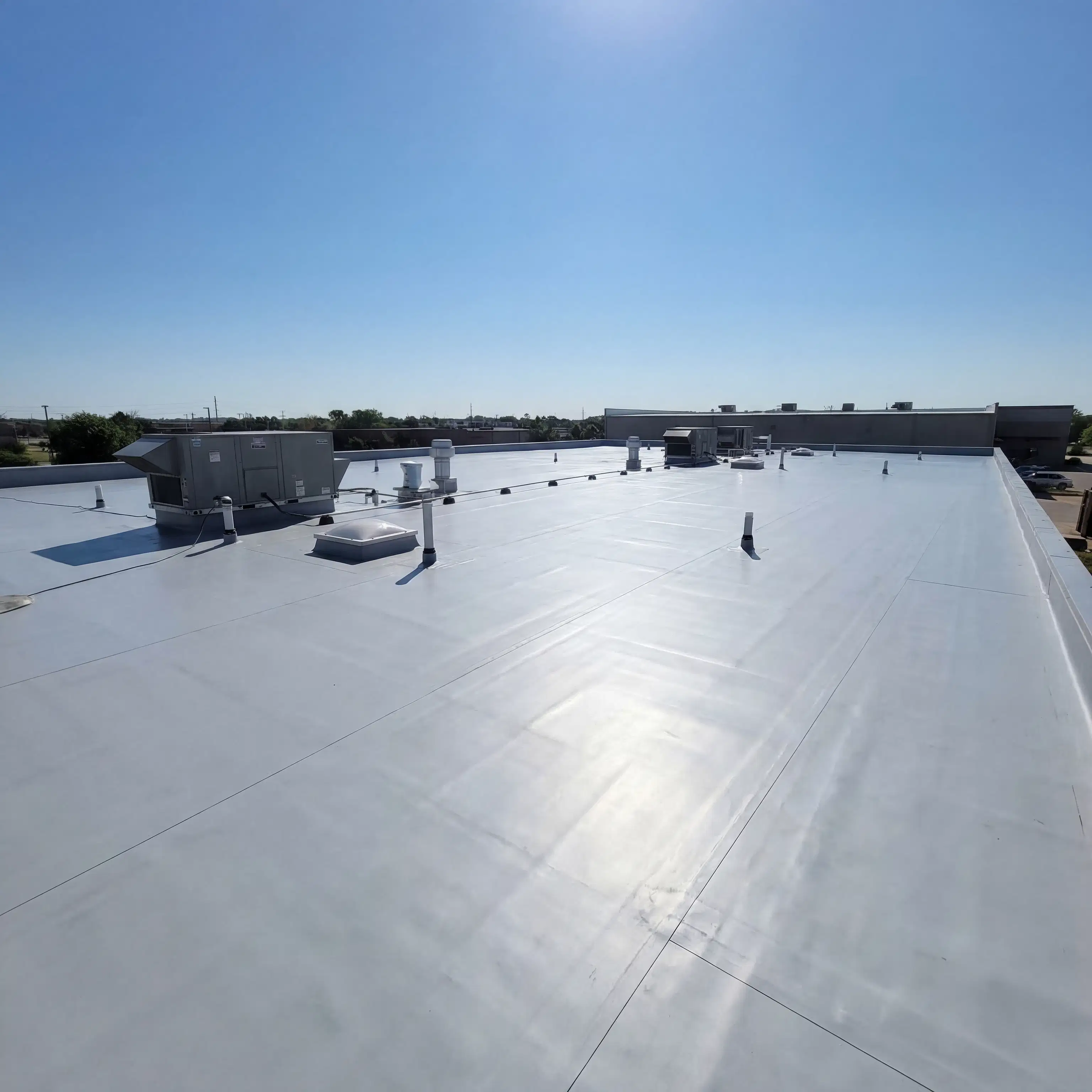
Mastering Commercial Flat Roof Drainage Solutions
Operating a commercial property in Lakeland and the surrounding regions means your building is regularly put to the test by the elements. From the daily afternoon downpours of the rainy season to the intense wind and rain of hurricane season, your building's exterior acts as the primary shield for your business operations, inventory, and staff. While sloped roofs naturally shed water, flat and low-slope structures require carefully engineered commercial flat roof drainage solutions to prevent catastrophic moisture damage.
Water accumulation is one of the leading causes of premature structural failure in commercial buildings. When drainage systems fail, the resulting trapped water can lead to severe operational disruptions, expensive emergency repairs, and complicated insurance claims that tie up crucial working capital. At Harper Roofing, we understand that a proactive approach to water management is the most cost-effective way to protect your investment and maintain continuous, safe operations.
Whether you manage a retail center, a warehouse, or an office park, understanding how your building sheds water is the first step in maximizing its lifespan. Let us explore the critical components of water management, how to identify developing issues before they become emergencies, and the best practices for keeping your property secure year-round.
Recognizing the Signs of Poor Commercial Roof Drainage
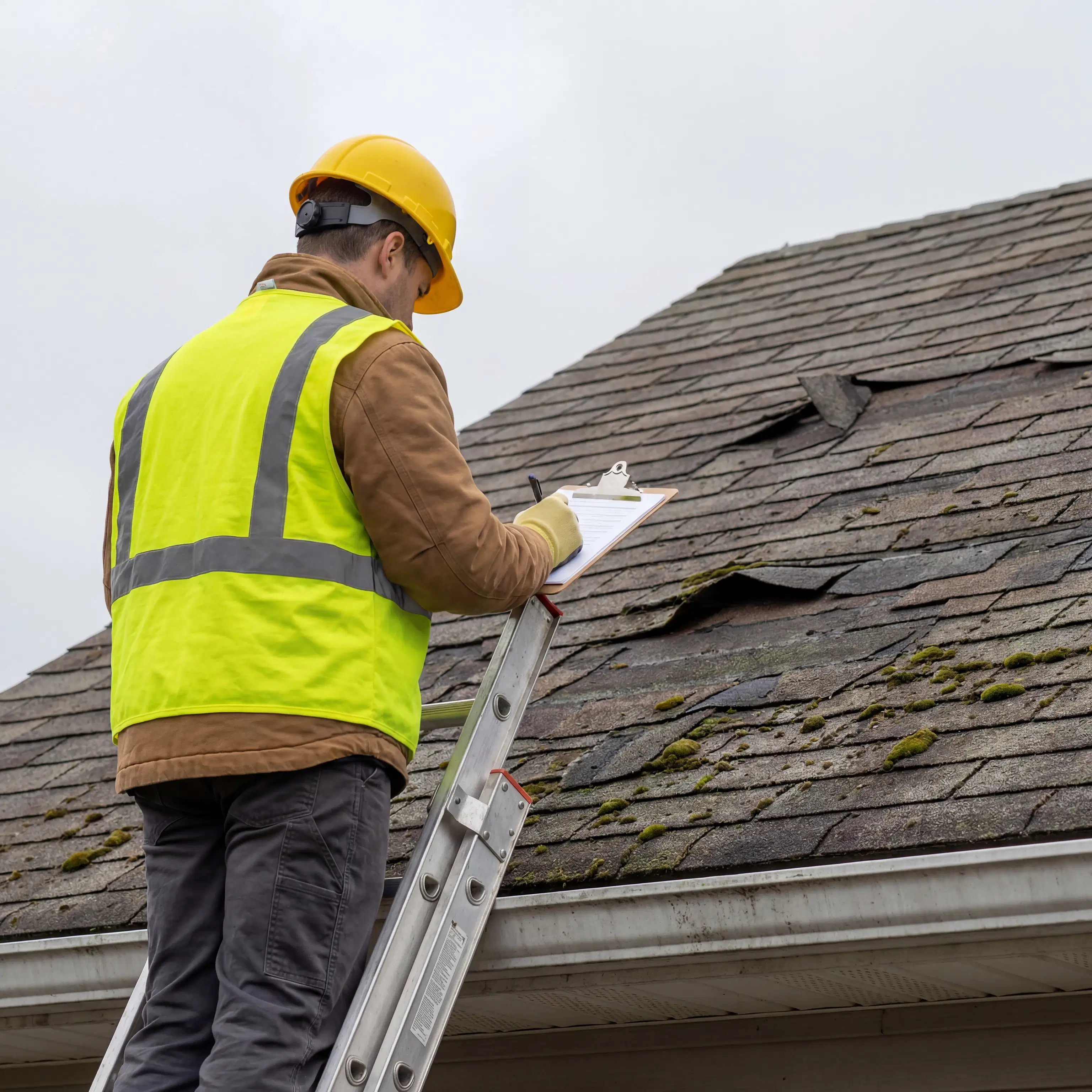
Catching water management issues early can save tens of thousands of dollars in structural repairs. Many property managers only realize there is a problem when water begins dripping onto the warehouse floor or staining ceiling tiles in an office. By then, the moisture has already compromised the roofing membrane, saturated the underlying insulation, and potentially oxidized the metal decking.
Knowing the signs of poor commercial roof drainage allows you to take action before interior damage occurs. During your regular visual inspections, pay close attention to the surface of the membrane. Discoloration, dark rings, or areas where dirt and debris have collected in a circular pattern are clear indicators that water is sitting in one place for extended periods rather than flowing toward the drains.
You might also notice biological growth. In our humid climate, standing water quickly becomes a breeding ground for algae, mold, and even small weeds taking root in accumulated silt. Additionally, look for blistering or bubbling in the roofing material, which occurs when moisture becomes trapped beneath the membrane and expands under the intense subtropical sun. If you spot any of these indicators, it is time to schedule a professional evaluation of your flat roofing system to prevent further degradation.
How to Prevent Ponding Water on Flat Roofs
One of the most frequent questions we receive from facility managers is how to prevent ponding water on flat roofs. By industry standards, ponding water is defined as any moisture that remains on the roof surface 48 hours after a rain event has ended. Water is incredibly heavy—weighing over eight pounds per gallon—and an accumulation of just one inch over a 20-by-20 foot area adds more than 2,000 pounds of dead weight to your building's structural supports. Over time, this weight causes the roof decking to sag, creating a deeper basin that holds even more water, compounding the problem.
The most effective prevention strategy begins with proper installation and sloping. A flat roof is never truly flat; it must be built with a slight pitch, typically utilizing tapered insulation, to guide water gently toward the designated exit points. If your building is experiencing severe sagging, a roofing contractor can install custom crickets—ridged structures that divert water around obstacles like HVAC units and skylights—or add localized tapered insulation to correct the slope.
Another critical prevention measure is ensuring that you have an adequate number of drains for the square footage of your roof, properly sized to handle the torrential downpours typical of our local climate. Upgrading the size of your primary drains or adding secondary overflow mechanisms can drastically reduce the risk of structural overload during severe weather.
Industrial Roof Drain and Scupper Maintenance
Even the most perfectly pitched roof will suffer from water accumulation if the exit pathways are blocked. Consistent industrial roof drain and scupper maintenance is arguably the most vital ongoing responsibility for any commercial property manager. A commercial drainage system generally consists of inner drains located near the center of the roof, scuppers cut into the parapet walls, and exterior gutters or downspouts.
Leaves, twigs, plastic bags, and general urban debris frequently blow onto commercial roofs and are naturally carried by rainwater directly into these drainage points. When a scupper or drain strainer becomes clogged, the water has nowhere to go. Routine maintenance should include clearing debris from all drain covers, flushing downspouts to ensure there are no internal blockages, and inspecting the seals around the drain bowls. The flashing around these penetrations is highly susceptible to expanding and contracting, which can eventually lead to hairline cracks and leaks.
Due to strict OSHA safety regulations and the inherent risks of working at heights, it is highly recommended to leave this maintenance to certified professionals. At Harper Roofing, we utilize advanced technologies, including drone-based aerial modeling, to safely and quickly assess your entire drainage system. This allows us to provide highly accurate, transparent estimates for industrial roofing repairs without unnecessarily putting workers at risk or disrupting your daily operations.
Protect Your Commercial Property with Harper Roofing
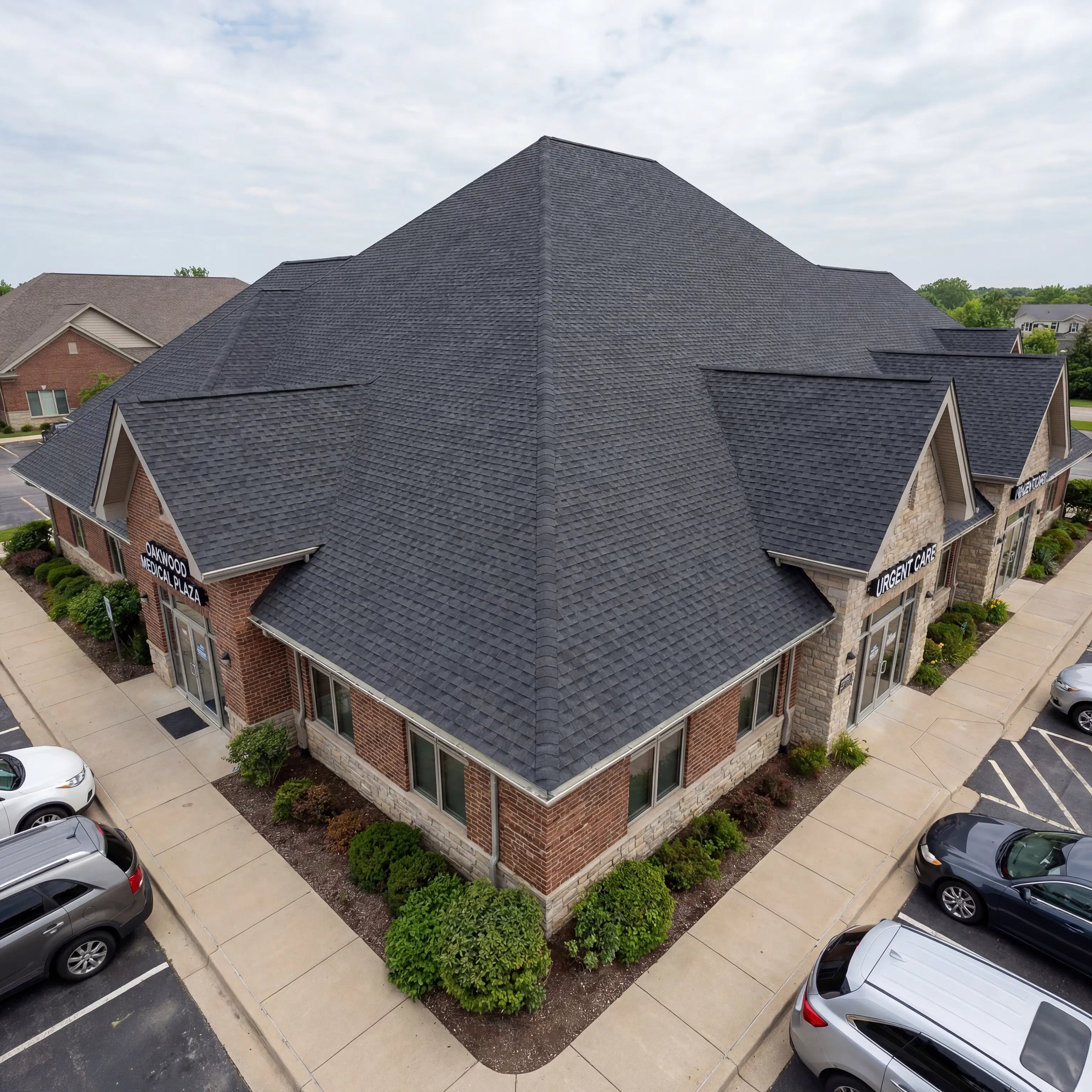
Your commercial roof is a complex system that requires professional oversight to perform efficiently year after year. Neglecting drainage leads to accelerated wear, compromised warranties, and expensive operational downtime. By staying proactive with your maintenance and addressing drainage faults at the first sign of trouble, you can extend the life of your roofing materials and protect your bottom line.
Whether you need a comprehensive drainage audit, emergency repairs after a severe storm, or routine scupper clearing, our team is equipped to handle the unique challenges of the Florida climate. We pride ourselves on clear communication, rigorous safety standards, and delivering long-term value to our commercial clients across the Tampa Bay area.
Don't wait until the next major storm reveals a critical drainage failure on your property. Take control of your building's health today. Contact the experts at Harper Roofing to schedule a professional roof inspection and ensure your facility remains watertight, compliant, and ready for whatever the season brings.